


Over 100 5-Star Google Reviews
Pain Management Services with Stages of Life
Stages of Life Medical Institute specializes in a variety of medical services, including managing unsolved chronic pain with compassion, precision, and over 35 years of experience.
Find out what specific types of pain management our Longwood, Florida, practice specializes in. Relief is around the corner.
Experience You Can Trust









Types of Pain We Commonly Treat
Are you experiencing any of the following pain? You are not alone. Roughly 21 million Americans experience high-impact chronic pain, which is substantially higher compared to previous years.
Consider meeting with Dr. David Klein at our Longwood pain management practice. Patients travel from all over the globe to experience our advanced, compassionate care.
Musculoskeletal Pain
Such as:
-
Osteoarthritis (knee, hip, shoulder, spine)
-
Myofascial pain syndromes
-
Tendonitis, bursitis, ligament sprains
-
Chronic muscle tension or strain
-
Degenerative disc disease
-
Sacroiliac joint pain
-
Migraine
-
Herpetic Neuralgia
-
Entrapment Neuropathy
-
Neuritis, nerve inflammation
-
Foot pain
-
Diabetic neuropathy
Visceral Pain
Such as:
-
Abdominal or pelvic pain
-
Chronic bladder pain or interstitial cystitis
-
Gastrointestinal spasm or inflammation
Neuropathic Pain
Such as:
-
Peripheral neuropathy
-
Diabetic neuropathy
-
Nerve entrapment syndromes (ulnar, carpal tunnel, peroneal, occipital)
-
Radicular pain (sciatica, cervical radiculopathy)
-
Post-herpetic neuralgia
-
Nerve injury after trauma or surgery
Mixed Pain Syndromes
Such as:
-
Chronic low back pain with radiculopathy
-
Fibromyalgia with joint degeneration
-
Pain with metabolic dysfunction (thyroid, adrenal, hormonal imbalance)
-
Autoimmune or inflammatory pain with neuropathic overlay
Nociceptive Pain
Such as:
-
Low back pain
-
Neck pain
-
Joint degeneration
-
Acute sprains or strains
-
Sports and overuse injuries
Post Surgerical Pain
Such as:
-
Pain following joint replacement
-
Post-laminectomy pain (without epidural-based treatments in your practice)
-
Post-hernia repair, mastectomy, or abdominal surgery pain
-
Post-arthroscopy shoulder or knee pain
Post-Traumatic Pain
Such as:
-
Whiplash injuries
-
Fractures (after healing)
-
Tendon or ligament injuries
-
Persistent soft-tissue pain
Chronic Overuse Syndromes
Such as:
-
Rotator cuff irritation
-
Tennis elbow
-
Golfer’s elbow
-
Patellofemoral knee pain
-
Plantar fasciitis
Hormone-Related Pain
Such as:
-
Hypothyroid muscle and joint pain
-
Adrenal dysfunction–related pain
-
Menopause or andropause-related musculoskeletal pain
-
Vitamin D deficiency
-
Chronic inflammation from insulin resistance
Complex Pain Conditions
Such as:
-
Fibromyalgia
-
Central sensitization syndromes
-
Chronic fatigue–related pain
-
Chronic pelvic pain
-
Pain associated with autoimmune disease
Myofascial & Regional Pain Syndromes
Such as:
-
Trigger point pain
-
Tension headaches
-
Cervicogenic headaches
-
Thoracic outlet–related discomfort
Peripheral Nerve Pain Diagnosed by Nerve Blocks
Such as:
-
Occipital neuralgia
-
Ilioinguinal/iliohypogastric nerve pain
-
Genitofemoral neuralgia
Timeline for Pain Management at Stages of Life
The anticipated timeline for pain management varies depending on the underlying condition, diagnostic clarity, and the patient’s overall health, but most treatment plans follow a predictable progression.

1
Initial Evaluation (First 4-6 Weeks)
In the early phase—typically the first four to six weeks—the focus is on comprehensive evaluation: obtaining appropriate imaging, bloodwork, urinalysis, and functional assessments, as well as performing diagnostic procedures such as peripheral nerve blocks when indicated. During this period, the priority is identifying the pain generator, stabilizing acute symptoms, and establishing foundational interventions such as targeted supplements, hormonal optimization if needed, sleep support, and initial physical therapy or mobility strategies.
2
Intermediate Phrase (2-12 Weeks Post Initial Evaluation)
The intermediate phase of care, generally spanning two to twelve weeks after the initial evaluation, concentrates on refining the treatment plan based on the patient’s response. Diagnostic results guide therapy adjustments—whether nutritional, hormonal, mechanical, or interventional. Functional improvements such as better sleep, reduced inflammation, increased mobility, or decreased nerve irritation often emerge during this timeframe.
Chronic conditions or complex metabolic contributors may require ongoing monitoring and gradual therapeutic adjustments, with expectations set for steady, incremental progress rather than immediate resolution.
3
Long-Term Maintenance (12+ Weeks)
Long-term management, when required, focuses on sustaining gains, preventing relapse, and empowering the patient with tools for self-care, resilience, and ongoing health optimization.
In short, we are here to help diagnose, refine the diagnosis, treat and support the patient. Sometimes this can be brief, and more frequently, we will be involved with the chronic pain patient for prolonged periods of time.

We Treat The Cause, Not Just The Symptoms.
You won’t find one-size-fits-all treatments here. We look deeper to find real solutions.
.webp)
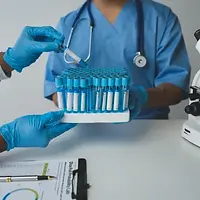
On-site Diagnostic Testing for Fast, Accurate Answers.
No runaround. Our in-house lab and specialists help diagnose faster so you can feel better sooner.

Care That's Personal and Precise
Whether you’re experiencing chronic pain, hormonal shifts, or fatigue—we customize every treatment plan to you.
Why Orlando Area Patients Seeking Pain Relief Choose Us
Dr. Klein's Treatment Plan for Pain Management
Pain management is fundamentally aimed at identifying the underlying cause of a patient’s discomfort and providing interventions that meaningfully reduce suffering. Rather than simply masking symptoms, the first goal is to clarify why pain is occurring—whether from nerve irritation, joint degeneration, metabolic dysfunction, inflammation, or structural imbalance—so treatment can be both targeted and effective.
A second core goal of pain management is restoring function. Pain affects far more than sensation; it interferes with mobility, sleep, energy, mood, metabolism, and the ability to participate in work, family, and daily life. Effective treatment focuses not only on reducing pain intensity but also on helping the patient regain strength, endurance, flexibility, balance, and physical confidence. Functional improvement is often a more meaningful measure of success than complete pain elimination, because many chronic pain conditions require ongoing management rather than a single curative procedure.
A third essential objective is reducing the impact of chronic pain on overall health and long-term well-being. Chronic pain can lead to deconditioning, weight gain, hormonal imbalance, increased inflammation, anxiety, depression, and cognitive decline. Finally, pain management seeks to empower patients.

Just A Few Of Our 100+
⭐⭐⭐⭐⭐
Google Reviews
Just A Few Of Our 100+ ⭐⭐⭐⭐⭐ Google Reviews
Read why patients keep coming back to the Stages of Life Medical Institute

1. Schedule Your Pain Management Consultation
Get in touch with our clinic to schedule your first consultation. We will discuss your health and wellness goals.

2. Get Your Customized Treatment Plan
After your initial consultation, we guide you on implementing treatment program that is tailored to meet your specific needs.

3. Feel The Difference In Your Life
Get expert medical guidance and see life-changing results, all from a true partner in health and wellness.
Take The First Step Toward Better Health In 3 Easy Steps
Stages of Life Medical Institute
Phone:
Tel: 407-679-3337
Fax:
Tel: 407-678-7246
Address:
1917 Boothe Circle, Longwood FL 32750
Email:
contact@stagesoflife.net
Hours:
M through Thurs: 8AM - 5PM
Visit Our Longwood, FL Practice

Ready To Begin Your Wellness Journey?
Fill out the form below to get your first consultation! Our clinic will contact you shortly.